Servo Voltage Stabilizer vs. Static Voltage Stabilizer: Which is Right?
An in-depth evaluation covering response speed, durability, maintenance costs, and load capabilities.
Both servo and static voltage stabilizers correct voltage fluctuations, but they work very differently.
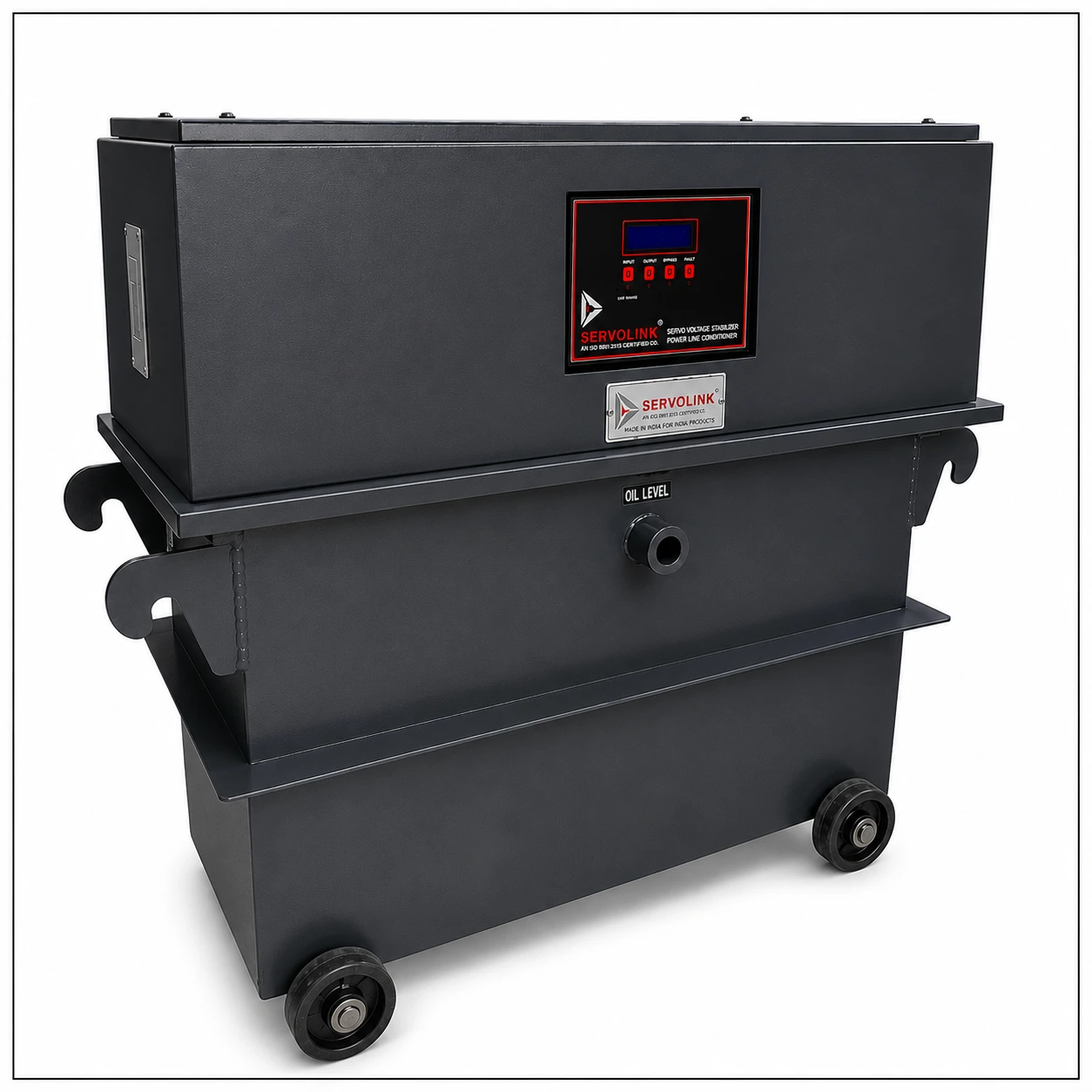
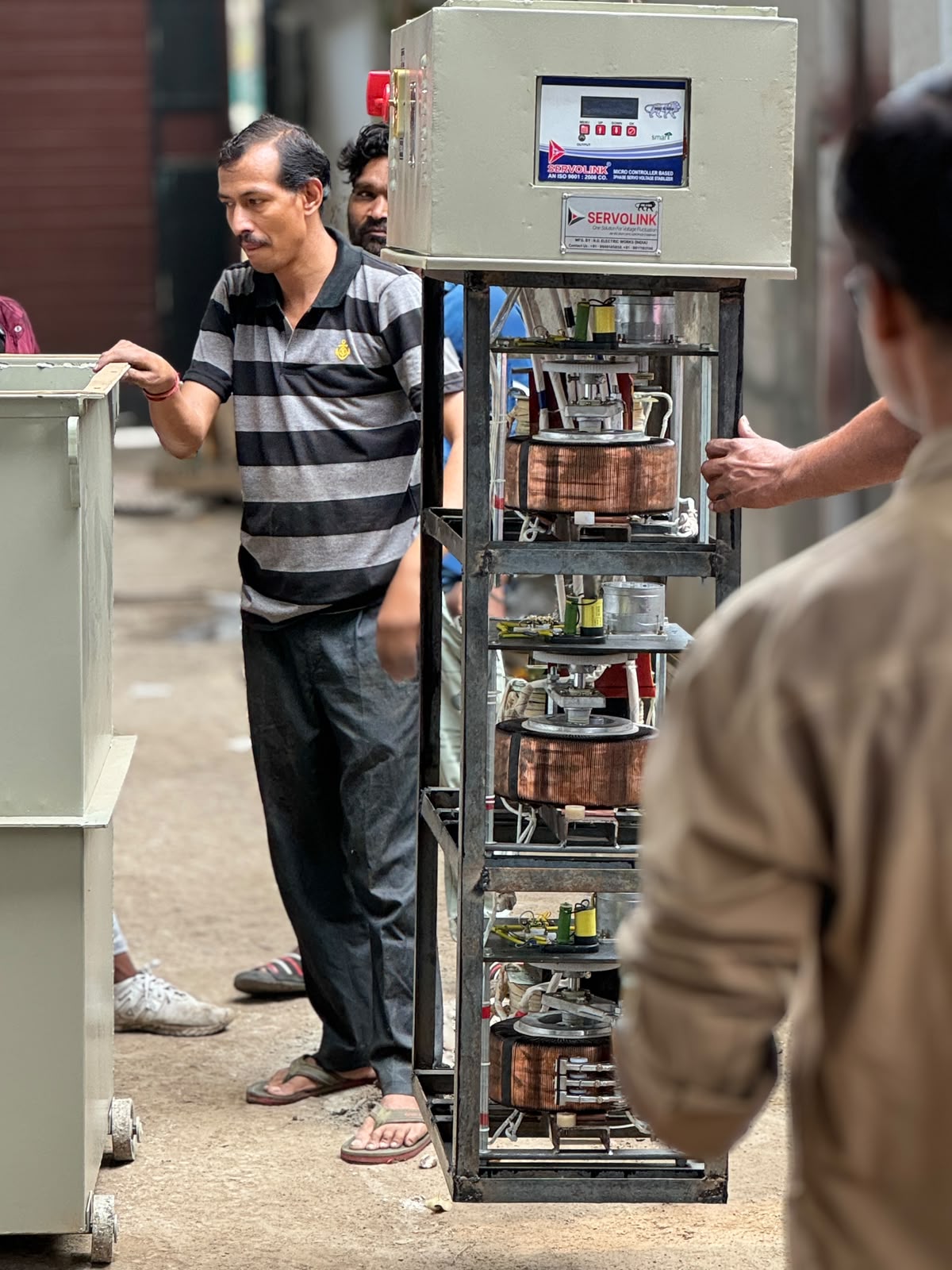
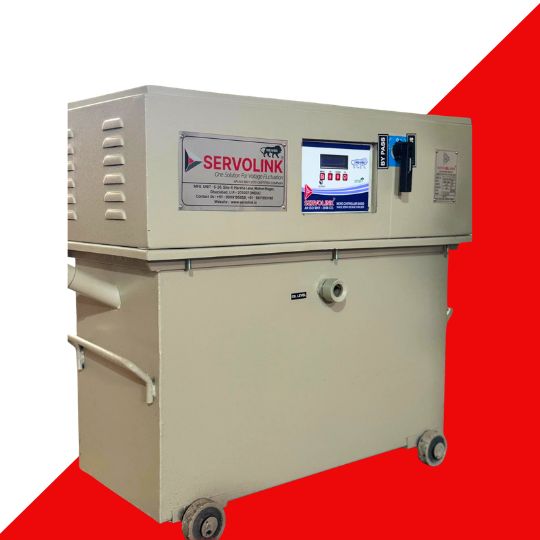
Servo stabilizers use a motorized variac and buck-boost transformer for smooth, continuous correction — ideal for heavy industrial loads and frequent voltage swings. They're mechanically robust but need periodic servicing of brushes and motors.
Static stabilizers use electronic switching (relays/thyristors) for near-instant correction with no moving parts, making them low-maintenance and better suited for sensitive electronics with sudden voltage spikes.
For heavy 3-phase industrial machinery, servo stabilizers remain the industry standard due to their higher current handling and durability under continuous load.